

Technology and diplomacy
In the world of international relations, the convergence of technology and diplomacy has become a critical factor in the 21st century. Significant historical developments, such as the invention of the printing press and the rise of the digital era, illustrate how technological advancements have persistently transformed communication, transportation, and global interactions. These shifts have profoundly impacted diplomacy, modifying its practices and broadening the scope of diplomatic activities.
As we enter an age characterised by swift technological advancements, it is essential to understand the dynamics of these interactions to effectively navigate the complexities of global diplomatic relations.
The historical context
The history of technology’s incorporation into diplomatic practices highlights a long-standing tradition in which diplomats have utilised emerging communication tools for increased effectiveness. From the advanced postal networks established during the Persian Empire, to the 19th-century introduction of the telegraph, technology has been integral to the evolution of diplomacy.

Further innovations, such as the telephone and fax machine, have continued this trajectory, improving communication efficiency and expediting diplomatic correspondence and decision-making. Each technological breakthrough has significantly influenced how nations interact and negotiate.
Still, it was the advent of the internet and email in the late 20th century that truly transformed diplomatic practices. Diplomats gained the ability to communicate in real-time worldwide and access vast amounts of information. Email quickly became the predominant medium for diplomatic exchanges, markedly improving efficiency and responsiveness.
TOPICS
History of diplomacy and technology

The digital age
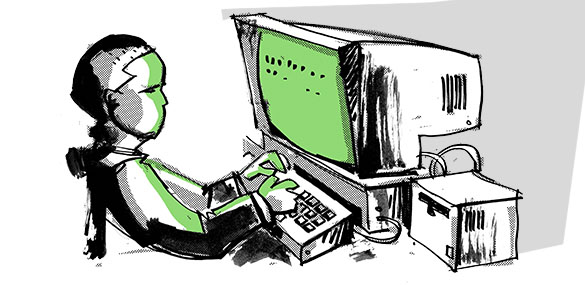
In today’s digital world, the internet, advanced technologies, and social media platforms have become indispensable for diplomacy, revolutionising how nations interact on the global stage. While traditional methods of diplomacy still hold value, online platforms now play a central role in communication, information gathering, and public diplomacy. Facebook and Twitter are powerful channels for engaging global audiences.
At the same time, tools powered by artificial intelligence (AI) enable data analysis, real-time translation, and sentiment monitoring to streamline diplomatic efforts. Blockchain technology has also emerged as a game-changer, offering secure platforms for treaty enforcement and international agreements. Virtual and augmented reality (VR/AR) provide immersive experiences for cultural diplomacy and virtual summits, creating new opportunities for cross-border collaboration. Meanwhile, secure communication tools and encrypted messaging platforms ensure confidential and protected diplomatic interactions.
However, these advancements bring a complex set of challenges. The rapid spread of information—and misinformation—has contributed to ideological polarisation, eroding trust in digital communications. Diplomats must combat disinformation and address the rising threats of cyberattacks that target sensitive diplomatic data.
The ethical implications of adopting advanced technologies, such as AI and big data, also present nuanced dilemmas that require careful navigation. As the digital age unfolds, international cooperation and innovative strategies are essential for harnessing the potential of emerging tools while mitigating their risks, ensuring that diplomacy evolves effectively in this complex, interconnected era.
DIPLO BOOKS
Tech Diplomacy: Actors, Trends, and Controversies

Tech diplomacy
The concept of tech diplomacy has emerged as a response to these challenges. It involves negotiations, representation, and collaborative efforts on emerging governance and policy matters between governments and technology firms developing AI and other digital innovations. Unlike traditional diplomacy, it involves interactions between diplomats and the private sector.
The increasing influence of major technology firms has prompted nations to establish a presence in crucial innovation hubs. Denmark led this movement in 2017 by implementing a specialised tech diplomacy policy and appointing the world’s first global tech ambassador in San Francisco. Tech diplomacy is closely linked to broader diplomatic categories, including digital, scientific, and economic diplomacy. As society increasingly depends on technological platforms, these companies play a crucial role in shaping economic, political, and social landscapes.

Conceptual framework of tech diplomacy
Tech diplomacy operates at the intersection of digital diplomacy, science diplomacy, and economic diplomacy. It involves collaboration between tech firms and governments to address new diplomatic issues. Science diplomacy leverages scientific insights to shape foreign policy, while economic diplomacy focuses on advancing financial interests through trade and investment. Tech diplomacy encompasses substantial economic dimensions and often blends diplomatic and traditional lobbying strategies when addressing financial matters.
Clarifying terminology
The field of tech diplomacy complicates the impact of digitalisation on diplomatic practices. It encompasses terms like digital diplomacy, tech diplomacy, and cyber diplomacy. These terms are often used interchangeably, leading to misunderstandings about their specific meanings.

At Diplo, we clarify these terms with our semantic framework. Captured in Diplo’s tripartite methodology, it examines the impact of digitalisation on the developing geopolitical context of diplomacy, the emergence of new topics in the diplomatic sphere, and the utilisation of innovative tools in diplomatic practice.
In this framework, tech diplomacy primarily refers to policy-related topics on the diplomatic agenda, such as content moderation, cybersecurity, AI, data governance, and taxation. It also encompasses geopolitical aspects like digital interdependence, safeguarding submarine cables, and satellite communications.
While cyber diplomacy is a negotiation conducted bilaterally or multilaterally concerning cybersecurity issues, tech diplomacy pertains to the interactions between technology companies and national governments.
The term digital diplomacy serves as an overarching descriptor that encompasses the three effects of digitalisation on diplomacy:
- Shifts in geopolitical dynamics
- The introduction of new subjects onto diplomatic agendas
- The adoption of new diplomatic tools
Based on our teaching and research on the intersection of digitalisation and diplomacy over the past three decades, we find ‘digital diplomacy’ to be the most accurate representation of this phenomenon.

Key topics in tech diplomacy
Tech diplomacy primarily engages with issues related to digital policy and governance. Companies assign varying degrees of importance to these topics, influenced by their business models.
For instance, the significance of data in their operations shapes their diplomatic strategies and policy priorities. META and Google, which heavily rely on data mining for substantial advertising revenue, prioritise different aspects compared to Apple, which focuses more on hardware sales and supply chain issues. Similarly, Amazon’s revenue model is primarily based on e-commerce, making it less dependent on data mining, a trend mirrored by Microsoft, which generates most of its income from operating systems and hardware sales. Understanding these revenue structures can clarify the policy priorities of these organisations
The future of diplomacy and tech
Imagine a world where diplomats use AI to predict crises before they happen. In this world, blockchain acts as a secure agreement between countries, allowing them to make deals in code instead of writing them down. Diplomacy is evolving quickly and becoming more complex, with technology changing how countries interact.

Meanwhile, powerful tech companies, although not elected, play a big role in agreements about AI ethics and space exploration. This blurs the lines between government and technology firms. The challenge is that trust can break down quickly; one algorithm error or viral rumor could disrupt years of alliances.
However, this chaos also brings opportunities. Real-time translation can remove language barriers, quantum encryption can protect sensitive information, and grassroots movements can use social media to hold leaders accountable. Future diplomats will need more than just good negotiation skills; they must also think ahead and understand technology. They will navigate a world where digital tools are as powerful as traditional weapons, and innovation drives peace. The game is changing, whether we are ready or not.
TOPICS
The DiploAI Ecosystem