Why do we need diplomats?
Diplomats are members of a profession developed over many centuries. But why do we still need them in a world transformed by electronic communications? The short answer is that diplomats serve as buffers between rulers driven by domestic insecurities or ideology – or both – that dispose them to take dangerous risks abroad, to the peril of us all. Only diplomacy offers hope when the clouds are at their darkest.
The materials for this course were developed by Prof. GR Berridge, based on his Diplomacy: Theory and Practice, now in its 6th edition, and after Kissinger’s book, the most cited general work on diplomacy on Google Scholar’s diplomacy page. Prof. Berridge is Emeritus Professor of International Politics at the University of Leicester and a Diplo Senior Fellow; read more, including his current blog postings, on his website.
What will you learn?
- Analyse the systems and styles that shape contemporary diplomatic and negotiation practices
- Evaluate negotiation processes and techniques to reach outcomes in complex international settings
- Examine strategies and tools for sustaining diplomatic momentum and managing crises effectively
- Compare the structures, functions, and decision-making methods of bilateral and multilateral diplomacy
- Assess the influence of consensus-building, publicity, and deadlines on diplomatic processes and outcomes
- Awareness of the roles of mediation and summitry for effective diplomatic engagement
Course lecturers
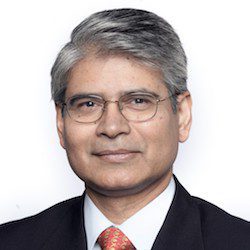
Asoke Mukerji
Former Indian Ambassador to the United Nations, New York
Who should apply
- Practising diplomats, civil servants, and others working in international relations
- Postgraduate students of diplomacy or international relations wishing to gain deeper insight through interaction with practising diplomats
- Postgraduate students or practitioners in other fields seeking an entry point into the world of diplomacy
- Journalists, staff of international and non-governmental organisations, translators, business people, and others who wish to improve their understanding of diplomacy-related topics
Overview
The course consists of 4 modules:
- The diplomatic moment. This module explores the conditions shaping diplomacy and negotiation, examining diplomatic systems, styles, and practices, alongside negotiation stages, objectives, challenges, and techniques for reaching agreement in complex international contexts.
- Diplomatic momentum. In this module, we explore how diplomats sustain negotiation momentum, including through the use of modern communications technologies and platforms, to manage crises, shape outcomes, and maintain progress through deadlines, publicity, and strategic follow-up.
- Formal channels of diplomacy. We will look at bilateral diplomacy through embassies, consular posts, and unconventional missions, alongside multilateral diplomacy’s conferences, procedures, and decision-making methods, highlighting the rise of consensus techniques shaping modern diplomatic practice.
- Diplomatic variations. This module examines mediation and summitry, analysing mediator roles, timing, and multi-party dynamics, alongside the practice of high-level summits, from routine to ad hoc, revealing their challenges, purposes, and conditions for effective diplomatic outcomes.
Also of interest
Need more info:
DiploFoundation (attn Tanja Nikolic)
Anutruf, Ground Floor, Hriereb Street Msida, MSD 1675, Malta
Methodology
The course will last for a total of 5 weeks, structured as follows:
- 1 week split between the course introduction and the wrap-up
- 4 weeks dedicated to addressing the course topics individually
The course is based on a collaborative learning approach, involving a high level of interaction over a four-week period. This interaction takes place in two main forms:
- Asynchronous interaction, using a custom-developed commenting tool
- Synchronous interaction, through live class meetings held in real time
Each module is discussed over seven days, during which you are expected to actively engage in the exchange of ideas, examples, and experiences with fellow participants and lecturers from around the world. Some modules may also include additional online activities, such as practical exercises. Weekly interaction concludes with a one-hour live class meeting, conducted via Zoom or as a text-based chat. These sessions provide an opportunity to discuss the week’s topic in real time with the lecturer and other participants.
To complete the course successfully, an average of 5 to 7 hours of study time per week is required. This includes both synchronous and asynchronous discussions, as well as any additional online activities. Throughout the course, you will also receive guidance and personalised feedback on your classwork from the course team.
Course materials and the necessary tools for online interaction and course tasks are provided in a virtual classroom.
Participants who successfully complete the course receive a certificate issued by Diplo Academy, which can be printed or shared electronically.
To learn more about the methodology used in this course, watch the video below.
Studying online with Diplo Academy
Prerequisites
- Regular internet access
- An undergraduate university degree, OR 3 years of work experience, and appropriate professional qualifications in diplomacy or international relations
- Sufficient English language proficiency to undertake postgraduate-level studies
Fees and scholarships
The fee for this course is €500.
- Diplo alumni are eligible for a 15% discount on the course fee.
- A limited number of partial scholarships are available for diplomats and professionals working in international relations from developing countries.
- Group discounts are available for multiple participants from the same institution.
Applicants are encouraged to actively explore scholarship funding from local or international institutions.
How to apply
Fill out the short form to begin your application process for this course.
Applying for financial assistance? Please indicate this on the application form and upload your CV, along with a motivation statement that includes:
- Details of your relevant professional and educational background
- Your reasons for applying to the course
- Why you believe you should be offered the opportunity to participate, and how your participation would benefit you, your institution, and/or your country
Note: Financial assistance from Diplo is available only to applicants from developing countries! Late applications will be considered only if places are still available.
Cancellation policy
A minimum of 15 applications is required for the course to run.
Diplo Academy reserves the right to cancel the course if enrollment is insufficient. In the event of cancellation, Diplo will notify applicants shortly after the application deadline. Applicants who have paid an application fee may either transfer the fee to another course or request a refund.