The landmark USD 14 billion deal that shifts control of TikTok’s American operations to a U.S.-led consortium is the most potent evidence yet that the video-sharing app has evolved from a social media diversion into a significant front in international power politics. What was once dismissed as a repository for dance challenges has become an unavoidable arena for high-stakes statecraft and the emerging practice of TikTok diplomacy.
The agreement, which places the platform’s coveted algorithm and vast trove of user data under American oversight, marks the culmination of a years-long geopolitical struggle. Citing national security risks, U.S. officials had long expressed fears that the app’s Chinese parent company, ByteDance, could be compelled to share American user data with Beijing or manipulate the content seen by millions. This tense standoff, overseen by the Committee on Foreign Investment in the United States (CFIUS), treated a digital platform with the same strategic gravity once reserved for physical territory or critical infrastructure, signalling the rise of what analysts are calling “algorithm diplomacy”. At stake is not just the future of an app, but the foundational question of who controls the narratives that reach an entire generation.
A new arena for statecraft
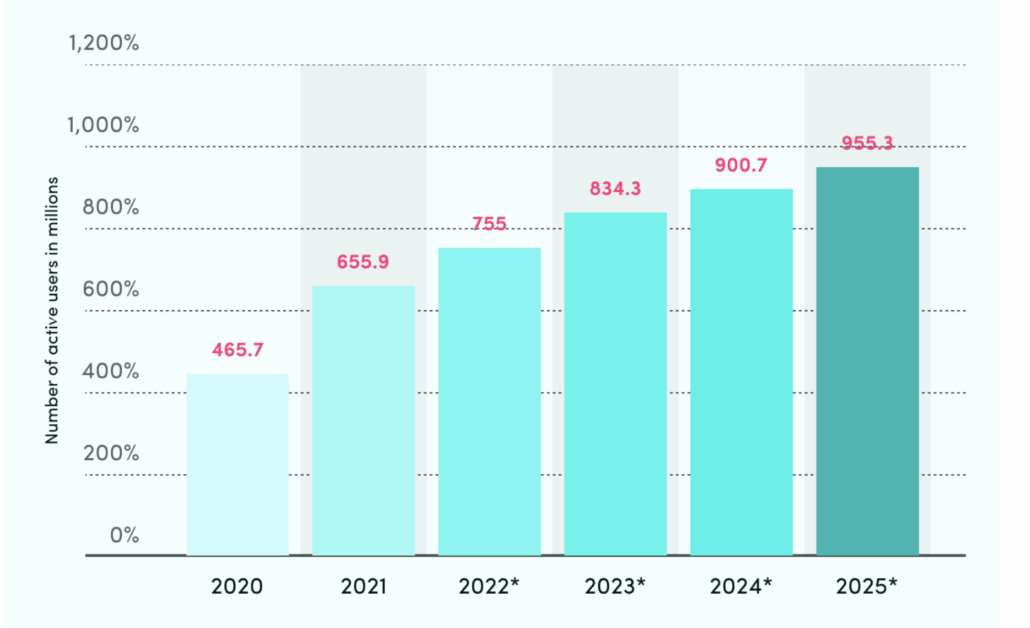
For years, digital diplomacy was a niche practice, confined to the relative safety of embassy Twitter feeds and staid government websites. But the meteoric ascent of TikTok, with more than 170 million users in the United States alone, a demographic that skews significantly younger than any other major platform, has presented governments with a new, dynamic, and unpredictable battlefield for influence. Its algorithm, designed for maximum engagement, can propel a niche idea to global prominence in a matter of hours.
Officials, initially slow to adapt, now recognize TikTok as a critical tool for public messaging. When the White House sought to build public support for its policy in Ukraine, it bypassed traditional press conferences and instead convened prominent TikTok creators for high-level briefings. These influencers, in turn, translated complex geopolitical events into short, digestible videos, effectively debunking Russian disinformation and personalizing the conflict for their millions of followers.
Similarly, on the front lines of conflicts from Ukraine to Gaza, unvarnished, first-person videos have offered global audiences unfiltered perspectives, creating powerful counternarratives to those presented by state-run or traditional media. These dispatches by ordinary citizens have demonstrated a remarkable ability to shape international discourse from the ground up. This democratization of influence, however, comes with great risks. The same mechanics that allow for authentic storytelling can also be exploited to spread disinformation and propaganda at an unprecedented speed, leaving governments and the public struggling to distinguish fact from fiction.
The global fault line
While the battle over TikTok is most visible in the escalating rivalry between the United States and China, its implications ripple across the globe. Governments worldwide are now grappling with the challenge of regulating a transnational digital space that often exists beyond the reach of national laws.
In Europe, the European Union is using its Digital Services Act (DSA) to impose strict content moderation and transparency requirements on major platforms, including TikTok, threatening massive fines for non-compliance. India, citing national security concerns amid border disputes with China, took the drastic step of banning the app entirely in 2020, cutting off a market of over 200 million users overnight. These actions underscore a growing global trend: digital sovereignty is becoming as important as economic or military power.
The 2025 U.S. deal may set a new precedent for navigating this complex field. Under the terms, a group of American investors, including the technology firm Oracle, Michael Dell, and Rupert Murdoch, will acquire a majority stake in TikTok’s U.S. operations. Oracle will be tasked with the critical role of managing the platform’s algorithm and securing American user data on U.S.-based servers.
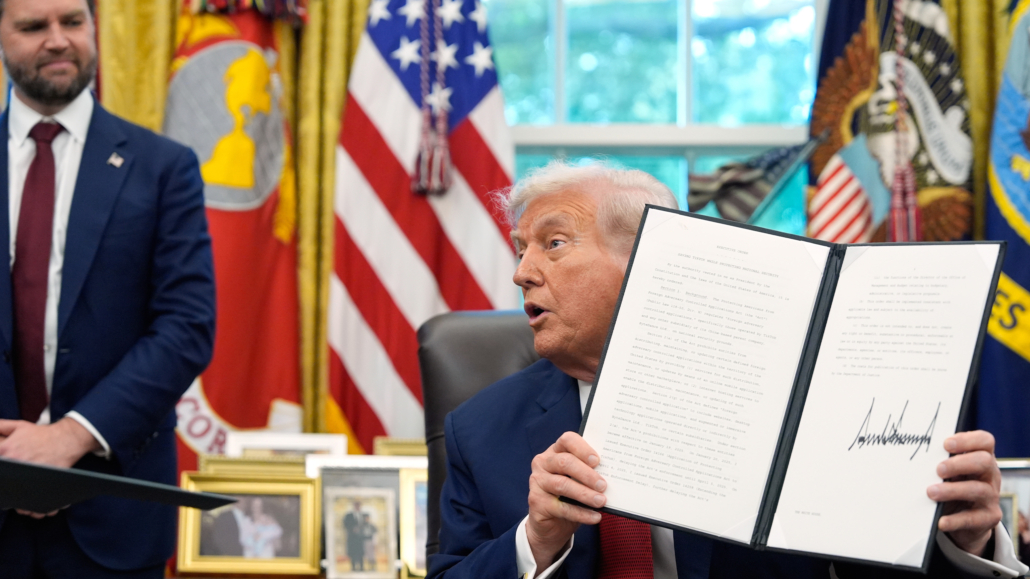
This model, a forced joint venture with local oversight of data and code,could signal a future of “splinternets” ,where the once-dreamed-of global, open internet becomes a series of fragmented digital empires, each governed by the distinct laws and geopolitical interests of the nations in which they operate.
Diplomacy in a different language
For the practitioners of traditional diplomacy, the platform’s culture presents a formidable challenge. The inherent qualities of TikTok, like brevity, user-driven trends, and a premium on raw authenticity, are often at odds with the measured, nuanced, and formal traditions of statecraft. As foreign ministries and international organisations attempt to engage, the results have been decidedly mixed.
Creative efforts, like the Ukrainian Ministry of Foreign Affairs’ defiant and humorous appeals for aid, have succeeded by embracing the platform’s native language. But ill-fated attempts by officials to join viral dance challenges have often been met with widespread criticism, accused of trivializing serious issues and undermining their own credibility. The challenge for diplomats is not merely to be present, but to build genuine engagement without reducing the gravity of their work. In a world where attention is the ultimate currency, ceding this conversational ground is a strategic liability that few states feel they can afford.
The economic stakes are also a powerful deterrent to outright bans. A 2023 report tied more than 224,000 U.S. jobs and USD 24.2 billion in GDP to the platform’s sprawling creator economy. This ecosystem, which turns individual creators into small businesses, creates a potent domestic lobby. For any politician considering a ban, the economic fallout and public backlash have become significant political considerations.
The era of TikTok diplomacy has made one thing clear: control over digital platforms has become as contested as control over any other strategic asset. The central question for policymakers is no longer simply who owns TikTok, but how the platforms themselves will continue to change public perception, political discourse, and power itself.
Click to show page navigation!