“Think before you speak. Read before you think.”
Fran Lebowitz
But are we losing our grasp on reading?
There’s a reason ‘brain rot’ was Oxford’s 2024 Word of the Year. Polls from Gallup and the Bureau of Labour Statistics confirm what many of us feel: people are spending less time reading than ever. We complain about our waning attention spans, finding the ‘mental load’ of a book an ‘insurmountable mountain’.
This decline isn’t an accident. Digital platforms have skillfully rerouted our natural human drive to seek out information. We get stuck in a loop, chasing the small, fleeting satisfaction of the next post or video. This constant scrolling feels like engagement, but it’s a counterfeit version of real learning. It satisfies our craving for stimulation but leaves us mentally and emotionally drained, failing to offer the deep restoration that a good book can.
The stakes for this shift are incredibly high. Giving up on deep, focused reading isn’t like dropping a minor hobby. It’s a risk to our core faculties. The hard work of engaging with a text is what builds our empathy, sharpens our critical thinking, and allows us to see the world through others’ eyes. To read deeply is to challenge the status quo, to reclaim our focus, and to insist on our ability to imagine a different world and a different version of ourselves.
So, we’ve established why reading is important. (It’s the intellectual equivalent of eating your vegetables, but, like, delicious, bacon-wrapped vegetables.) Now, let’s get to the good part: recommending the interesting books.
We’ve selected these titles for a specific mission: to explore the different types of diplomacy through a truly interesting read. We’ll link each novel to a concrete, real-world example, showing just how blurry the line between ‘what is fiction’ and ‘what is real’ has become.
Just as classics like Dune and Game of Thrones serve as masterclasses in resource control and hard power, this new wave of fiction is providing a brilliant lens on the strategic tools of our time, if we are willing to do the fundamental work of reading.
Let’s explore the various types of diplomacy showcased in the most recent bestsellers.
Hard power and coercive diplomacy: The modern threat
The concept: This is the ‘or else’ of diplomacy. It’s the art of negotiation backed by a credible and influential threat, whether it’s a traditional army (like Tywin Lannister’s) or, more often today, covert action and economic sanctions.
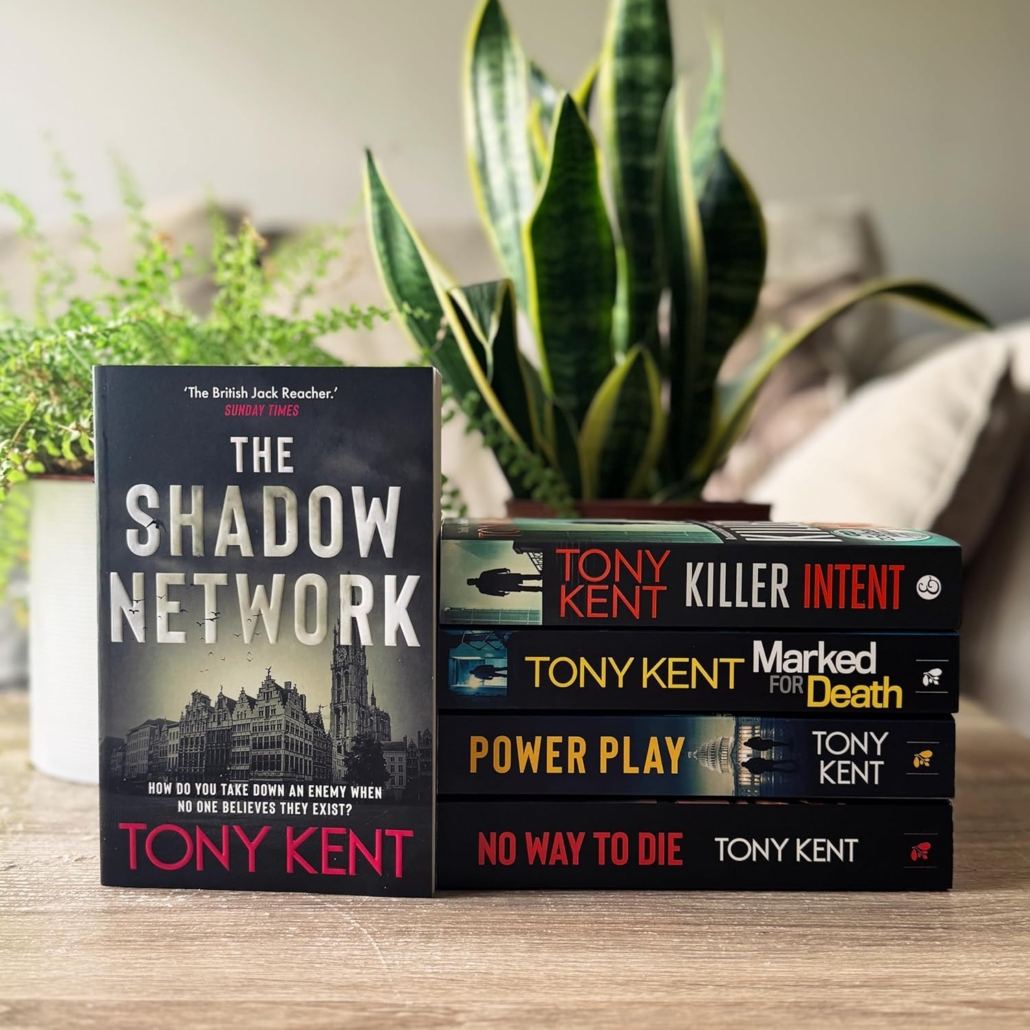
The book example: The 2024 political thriller The Shadow Network by Tony Kent is a perfect example. A staged terrorist attack at The Hague is used as a smokescreen for a deeper political conspiracy. This moves beyond traditional armies to show how modern hard power works: using covert operations, assassinations, and ‘plausible deniability’ as a form of violent threat to force a political outcome.
The real-world link (2024-2025): The ongoing global ‘chip war’ is a prime example of coercive diplomacy. The US uses hard-line economic rules to block the sale of high-end microchips to China. In response, China restricts its own export of key minerals. This is a direct use of economic threats and blockades to force the other side to change its policies.
Economic diplomacy: Show me the money
The concept: This is diplomacy that uses economic tools such as control over vital resources (think Dune’s Spice), trade deals, or technology to achieve foreign policy goals.
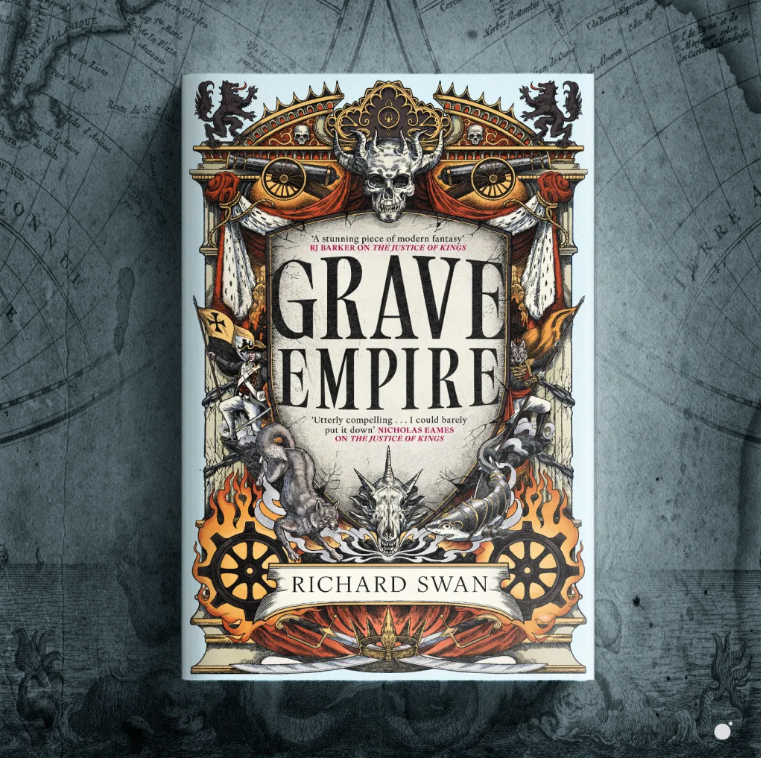
The book example: The 2025 fantasy novel Grave Empire by Richard Swan captures this shift perfectly. Its tagline says it all: ‘Blood once turned the wheels of Empire. Now it is money’. This illustrates a world pivoting from relying on military might (hard power) to using finance, trade, and economic leverage as its primary tool of statecraft.
The real-world link (2025): This is the real-life Dune. Instead of Spice, the world needs lithium, cobalt, and rare-earth elements for every smartphone and electric car. In 2025, nations are in a race to form ‘critical minerals’ partnerships. When the EU or the US signs a deal with a country like Australia or Malaysia for these minerals, it’s not just a trade deal; it’s a major move of economic diplomacy to secure economic power.
Multilateral diplomacy: Building the alliance
The concept: Sometimes, a threat is too big for any one group. This is the “Council of Elrond” method, getting many different, often rival, parties into one room to solve a common problem.
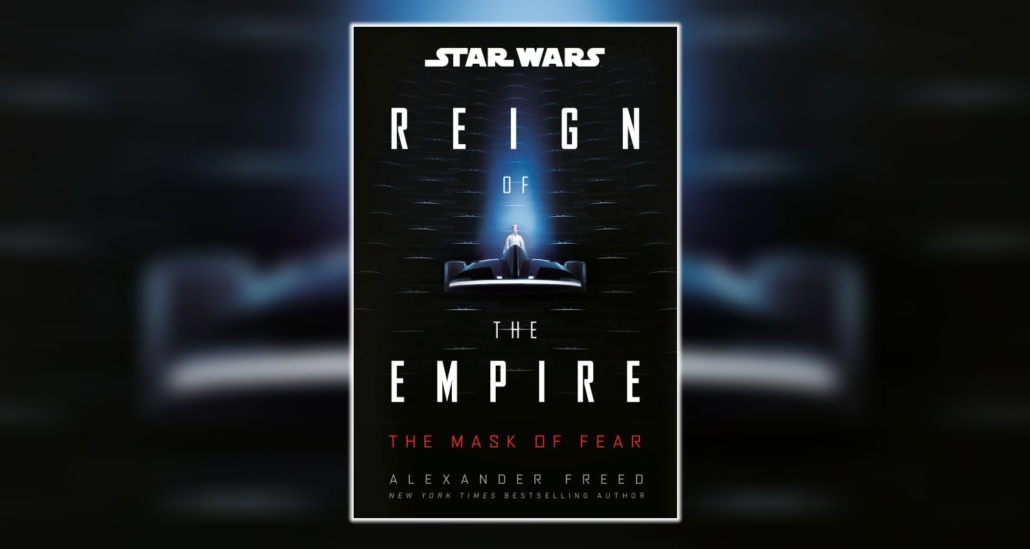
The book example: A perfect recent example is the 2025 novel Star Wars: Mask of Fear by Alexander Freed. It follows the politician Mon Mothma in the early days of the Empire. Her entire job is to be a multilateral diplomat. She ‘navigates the halls of power’, acting as a mediator to convince sceptical senators, rival factions, and independent worlds to join a single coalition (the Rebel Alliance) to face a shared, existential threat.
The real-world link (2024-2025): In September 2024, the United Nations held its ‘Summit of the Future’. The goal was to get all 193 member states (the ‘Council of Elrond’) to agree on a new ‘Pact for the Future’ to address global shocks such as pandemics, climate change, and AI. This massive, complicated effort is the very definition of multilateral diplomacy.
Soft power: The art of attraction
The concept: This is the ‘Dumbledore’s Army’ method. It’s the ability to influence others not through threats but through attraction, making them want what you want. This power is built on your culture, your values, and your ideals.
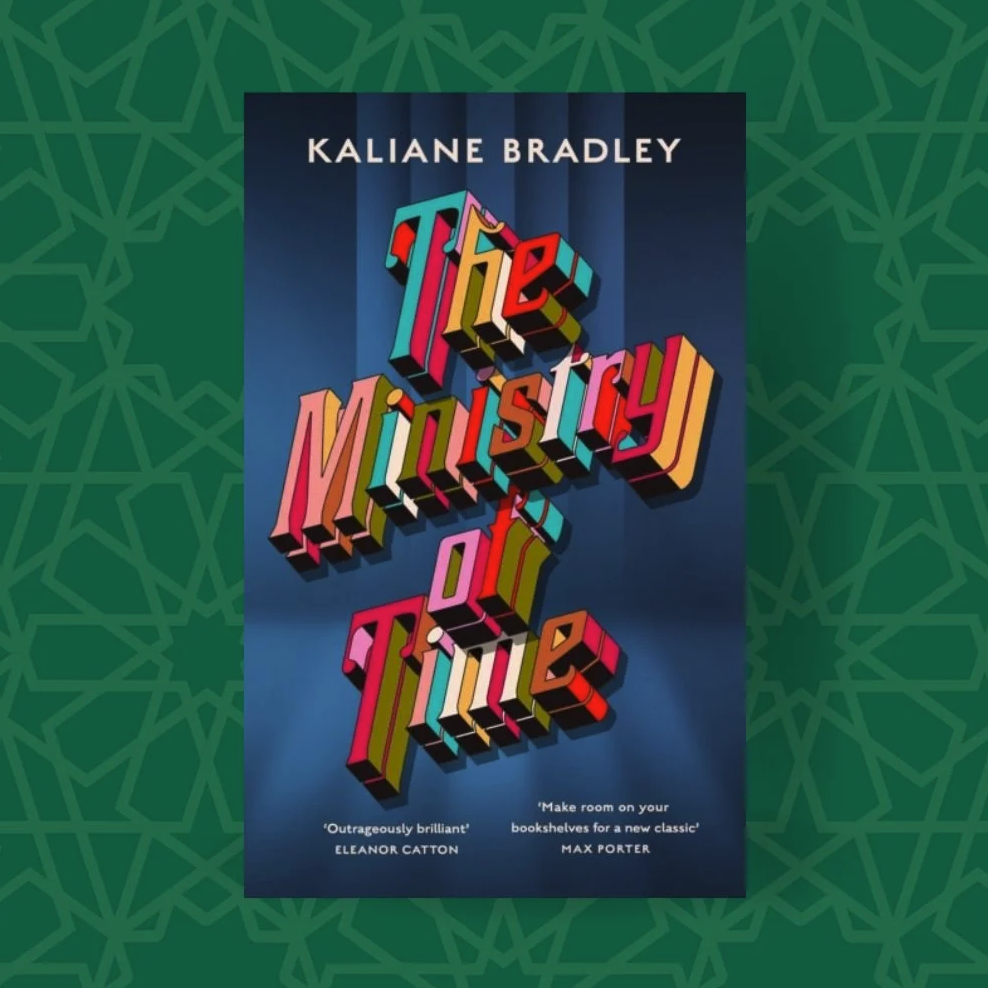
The book example: The 2024 bestseller, The Ministry of Time by Kaliane Bradley, is a brilliant and literal example. A modern British civil servant is tasked with ‘onboarding’ a 19th-century polar explorer who has time-travelled to the present. The entire novel is a micro-version of cultural diplomacy. She can’t force him to adapt; she must use her culture, modern values, and ‘soft’ influence to get this man from the ‘height of the British Empire’ to integrate.
The real-world link (2024-2025): We see this everywhere. South Korea’s ‘K-Wave’ (K-Pop, K-Dramas) is a deliberate soft power strategy to build a positive global brand. The ‘Years of Culture’ initiative, like the Qatar-Argentina-Chile 2025 Year of Culture, is a textbook example. By sponsoring art, music, and food, you build a bridge of positive association as a powerful diplomatic asset.
From fiction to reality
So, the next time you pick up a new thriller or sci-fi novel, remember you’re not just escaping reality, you’re getting a lesson in it.
The covert strategies in The Shadow Network, the economic leverage in Grave Empire, and the alliance-building in Mask of Fear are all perfect illustrations of a diplomat’s toolkit. The real world may have fewer time travellers, but the stakes are just as high, and the tools are surprisingly similar.
Click to show page navigation!