Rolex diplomacy, a term that has now slipped into the geopolitical lexicon, describes a curious new species of influence: corporate lobbying infused with the cultural gravity of a luxury icon. It is subtle, explicit, symbolic, and strategic all at once. Is Rolex a new type of soft power actor combining the image of luxury, quality, and prestige?
A watch industry on the brink
For all its glamour, Switzerland’s luxury-watch sector is an industrial powerhouse with a very earthly vulnerability: tariffs. When the United States imposed a 39% import tariff on Swiss timepieces, more than double the EU’s 15%, the industry confronted an existential threat. For an export sector built on craftsmanship, scarcity, and brand mystique, the American market is not simply important; it is essential.
In Geneva, this shock triggered a familiar choreography: meetings with trade officials, carefully worded statements, and discreet visits to Washington. But these were not ordinary times. And Rolex, the most visible symbol of Swiss horology, moves from typical discretion to the main stage of diplomacy.
When the CEO becomes the diplomat
Jean-Frédéric Dufour, Rolex’s chief executive, is an unlikely envoy. Reserved, analytical, and almost monk-like in his stewardship of a brand famed for silence as much as precision, he is not the sort of figure who typically strides into the Oval Office. But stride he did.
Moving beyond the usual corporate playbook, Dufour orchestrated a campaign that resembled state-to-state diplomacy more than traditional lobbying. His interactions with President Donald Trump, first in the convivial setting of the US Open and later in the statuesque formality of the Oval Office, carried the unmistakable choreography of bilateral relations. There were high-level conversations, carefully managed appearances, and, inevitably, the exchange of symbolic gifts.
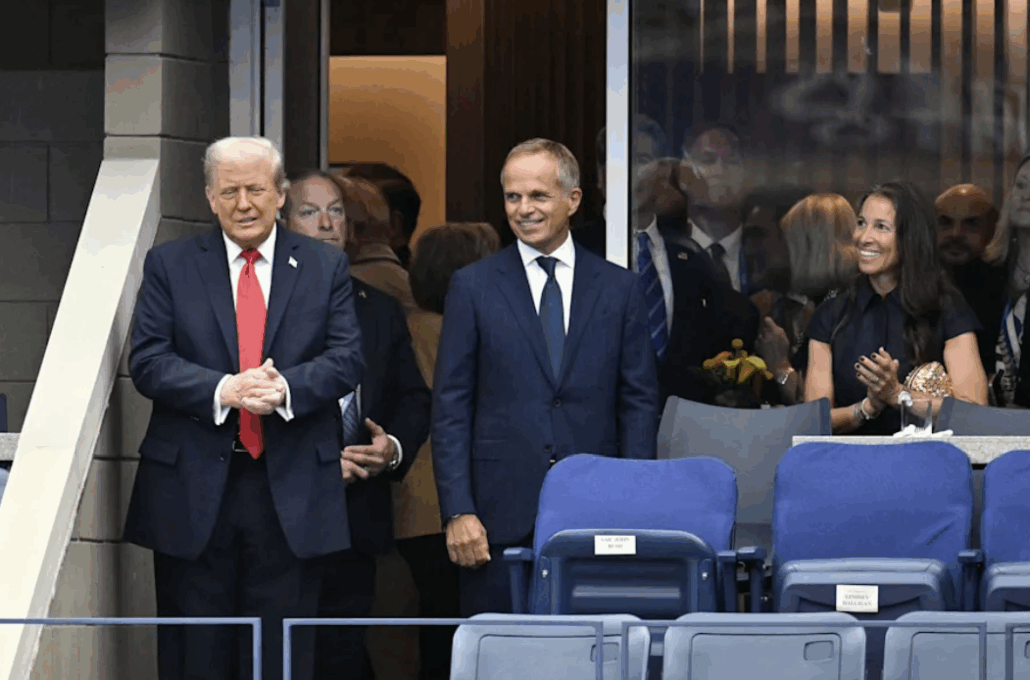
Here, the story grows unmistakably diplomatic. Reports of a gold Rolex desk clock, an object both emblematic and restrained, suggest a deliberate use of prestige to create a receptive political context. In diplomatic history, gifts have always served as cues, signals, and gestures of recognition. In this case, the gesture came not from a state but from a corporation whose brand value exceeds the GDP of some nations.
Prestige as soft power
Luxury goods are peculiar artefacts. They are both objects and metaphors, status symbols and cultural scripts. Rolex, perhaps more than any other brand, occupies a rarefied place in the global imagination: it signifies achievement, precision, and elite access.
And in diplomacy, where access can matter as much as argument, symbolism has power.
Rolex diplomacy thus belongs to several traditions at once:
- corporate diplomacy, where companies advocate for regulatory or economic outcomes;
- gift diplomacy, where objects carry messages states do not say aloud;
- business diplomacy, where CEOs operate as quasi-envoys;
- sports diplomacy, where informal, emotionally charged events (in this case, the US Open) create the ambience for political alignment.
What is truly new is the way these elements have fused together. A single commercial brand becomes the vessel for national economic interests, cultural prestige, and geopolitical positioning. Diplomacy evolves not by replacing old forms but by layering new ones on top of them. Here, Rolex becomes both messenger and message.
Marketing, statecraft, and the blurred lines between them
Critics may dismiss this episode as another chapter in the long story of corporate influence in Washington. But that misses the point. What sets Rolex apart is its reliance on soft power, not the muscular lobbying of industry groups, but the carefully calibrated allure of exclusivity.
When high-value corporate gifts enter political negotiations, they do more than flatter; they subtly change access, open informal channels, and create stories that move through leadership circles.
This is where business meets geopolitics and where geopolitics begins to resemble branding.
A case study for the future of global trade
The rise of Rolex diplomacy is not a curiosity. It is a glimpse into an emerging trend. As supply chains become political, tariffs become strategic tools, and multinational brands develop cultural legitimacy rivalling that of states, the old boundaries between statecraft, commerce, and marketing dissolve. Power is no longer measured only in fleets and treaties but in symbols that travel across borders and into boardrooms.
A luxury watch cannot negotiate a trade agreement, but it can open doors that would otherwise stay shut, creating those small, informal moments of recognition and proximity where diplomacy often takes its real shape. In a world where influence often rests on small signals and personal moments, that may not just be enough; it may be how diplomacy really works today.
At the intersection of business and soft power, Rolex has become more than just a watchmaker. It has become a diplomatic actor. This is a case worth watching, tick by careful tick, as global trade enters its next, and perhaps most surprising, era.
Click to show page navigation!