In this post, I will try to hint at an answer to two questions: Why are there so many rules and regulations? And what happens if we eliminate them in order to get a ‘free’ market?
Why are there so many rules and regulations?
Jan Tinbergen, the first Nobel Prize winner in economics, proved that ‘you can only kill one bird with one stone’. So many birds, so many stones. Few people and few resources meant few rules. Traditional villages needed no traffic signs. But by the mid-19th century, city populations died off through lack of hygiene until strict sanitary rules allowed growth. To survive crowded conditions, we need rules.
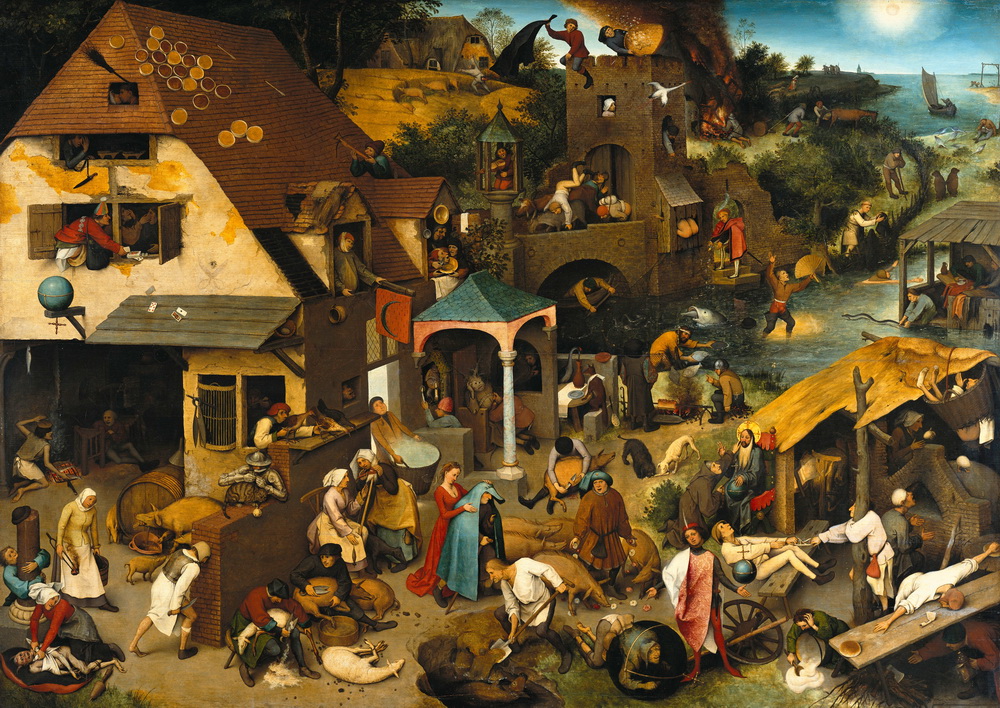
We know more, and we embed knowledge in tools, technologies, and equipment. With this, safety rules multiplied while users’ own awareness of risks diminished. Even a hammer comes with pages of warnings. Risk tolerance has decreased: workers once took health risks without recourse; rules now prevent such losses. Similarly, smoking rules constantly shift as knowledge and attitudes evolve.
We live among strangers, without a shared ‘silent culture’ of unwritten rules. Where once informal norms sufficed, we now have codified lists – like Park Avenue condominium rulebooks, costing millions. Globalisation and cultural mixing erode reliance on silent culture, and litigation thrives. More people and knowledge necessarily mean more rules. Regulatory housecleaning is needed, but rare, as rules become entitlements that beneficiaries resist giving up (e.g. farm subsidies).
What happens when we eliminate rules?
If two birds can be killed with one stone, efficiency rises. So eliminating rules – constraints – appears efficient. Deregulation always ‘wins’ when compared to constraint. But three problems arise.
First, when no rules remain, the game itself collapses. Some free-market rhetoric carries an implicit ‘my game or no game’ threat: secession from the social fabric. Often, the ‘haves’ call for freedom, not the ‘have-nots’.
Second, corruption emerges. If efficiency is the only criterion, regulators can be paid to move goalposts, letting insiders pocket the gain. Corruption and deregulation often travel together – especially in BRIICS. Worse, spurious regulations may be introduced only to extract bribes (see Invisible Hand, Greased Palm by James Surowiecki).
Third, deregulation can create windfalls, but distinguishing them from entrepreneurial skill is difficult. Windfalls should not be captured privately. Lobbying to shift rules yields no innovation, only distraction. Deregulation may be necessary, but only if it frees attention for innovation does it yield sustainability.
Transfers are also a danger: if rising profits stem from lower wages, this is redistribution, not wealth creation. Outcome-based views miss the transfer aspect.
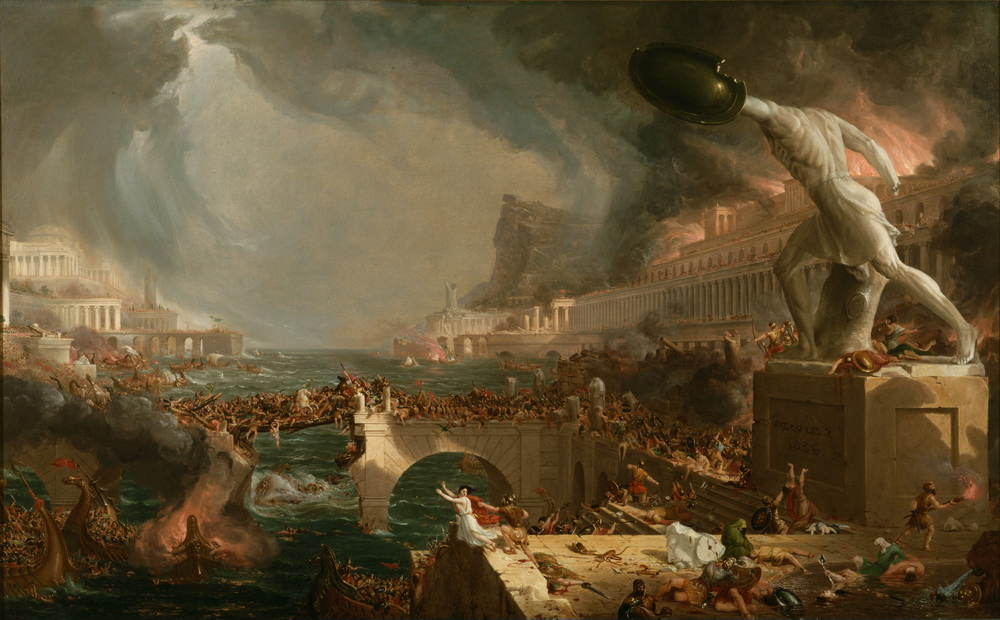
Too many entitlements?
I wrote this blog contra free markets because arguments here are hardening dangerously – like arteriosclerosis for society. Pragmatic debate over regulation is becoming a shouting match: efficiency vs status quo.
Efficiency, like freedom, is a meta-value. It never exists in pure form; it must be tied to purpose and context. Untethered, it becomes fetish – or a smokescreen for the bully.
Societies break when entitlements harden. Revolutions occur when compromise fails. Rules are natural outcomes of complexity. With knowledge and power comes responsibility – balancing goals and constraints deliberatively. Revising rules to avoid unsustainable drag is legitimate. But sloganeering for or against ‘free markets’ is a distraction, if not a decoy.
The post was first published on DeepDip.
Explore more of Aldo Matteucci’s insights on the Ask Aldo chatbot.